Enduring the Elements
An outdoor kitchen’s lifespan is dictated entirely by its base structures. When constructing culinary stations exposed to frost, UV radiation, and salt spray, traditional indoor materials are rendered obsolete.
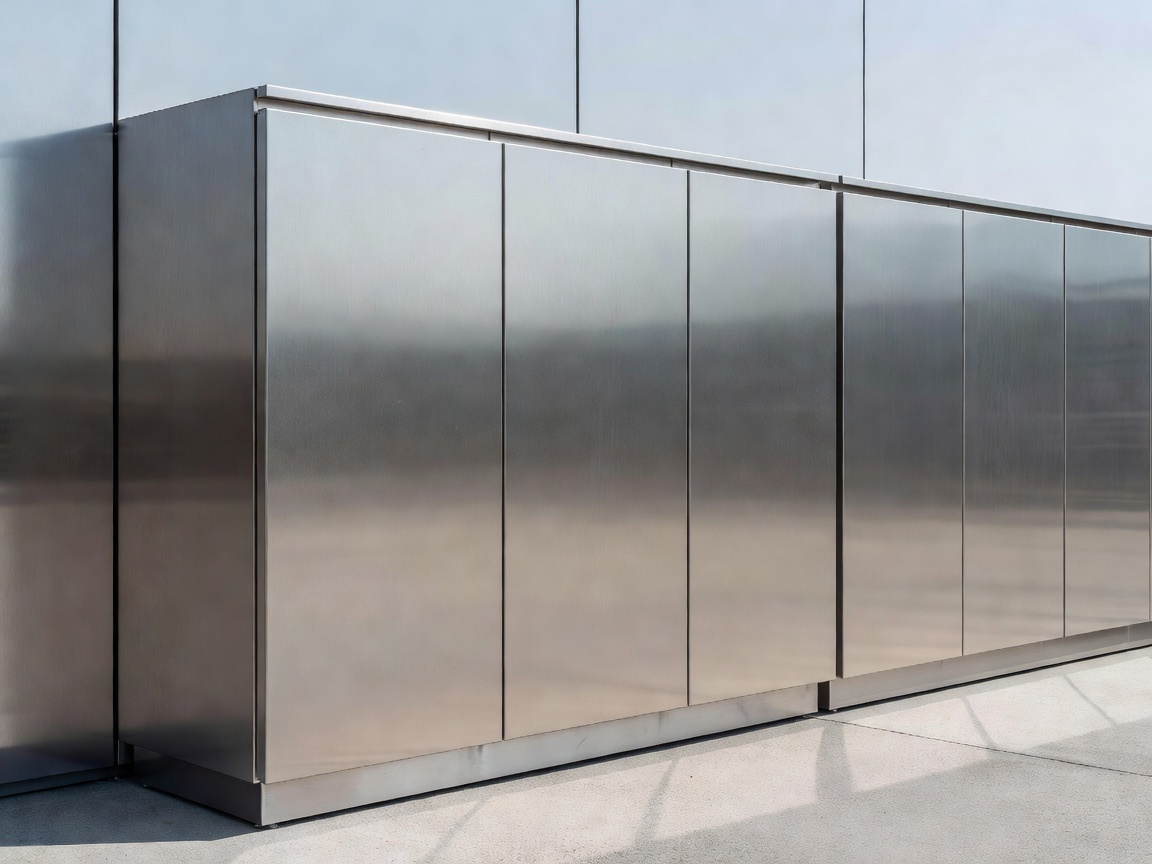
304 vs 316 Stainless Steel
Stainless steel remains the gold standard for high-end outdoor builds. However, not all alloys are equal.
304 Grade: Excellent for inland, temperate climates. Contains 18% chromium and 8% nickel.
316 Marine Grade: Essential for coastal properties. The addition of molybdenum provides resistance to pitting and chloride corrosion.
High-Density Polyethylene (HDPE)
For those seeking color without the risk of powder-coat chipping, HDPE provides an indestructible alternative. Solid colored throughout its core, this marine-grade polymer can withstand severe impacts, power washing, and chemical spills without losing structural integrity.
Teak and Ipe Woods
If warmth is required, only extreme hardwoods suffice. Teak contains natural oils that repel water, while Ipe (Brazilian Walnut) boasts a Class A fire rating and density that defies rot. Both will silver gracefully over time unless regularly oiled.